
Should You Keep Renting? Why Buying Isn’t Always Better
I’m a dollars-and-cents kind of guy.
And as a mortgage broker, you would probably expect me to be firmly in the “you should always buy and never rent” camp. But I’m not. I’m in the “If it makes sense (and it usually does), you should”. But this is the story of one of those situations where it made sense to keep renting.
There are absolutely situations where buying a home (and subsequently moving out of your rental) makes sense. In most cases, it’s not only just financial, but the freedom that it allows in a sense - not living under mom/dad’s roof, or no longer paying rent. There are also situations where staying in your current rental is the better financial decision, even when you have enough money to buy.
A friend of mine found himself in exactly that situation.
He lived in the same apartment building as my then-girlfriend, now wife, and had recently received some money through an inheritance. It was a lucky break, and he wanted to make sure he did something responsible with it.
He wasn’t interested in spending it, and as one of his more financially-savvy friends, he reached out to me and asked my opinion. He had no debts, or anything to settle up, so just a lump of cash he didn’t know what to do with. He told me he wanted to invest it and put it to work so he could continue his life status quo, and save for his future. Naturally, one of the first questions he asked was whether he should use it as a down payment, buy a home and move out of his apartment.
At first glance, that probably sounds like the obvious choice. He had the money…therefore, he could afford to buy. Why would he keep renting? Since I’m a logical guy, we worked through it together.
He was living in a nice two-bedroom, rent-controlled apartment with a good friend. Utilities were included (minus internet of course), he liked the building, location was really central to everything he needed, it was cat-friendly for his furbabies, and he was completely happy with the arrangement. At the time he moved in, around 2016/2017, the total rent for the apartment was approximately $1,100 per month. Once he split it with his roommate, his share was only about $550. Heck, since it’s rent-controlled, I wouldn’t be surprised if his rent today was somewhere around 1200-1300 - a steal in this Kitchener-Waterloo, ON area.
He also wasn’t the kind of person who felt like he needed a bigger or more impressive home simply because he could afford one. He lived a pretty low-key lifestyle and was perfectly content with what he already had. He was never the kind of person needing to live a flashy lifestyle; he still drove his old Rav4, played video games, enjoyed time with friends, loved birdwatching, just a regular down-to-earth person. His 800-sq-ft, 2 bed, 1 bath apartment complete with a parking spot worked just fine, and he loved it.
That was going to be very difficult to beat. Where else are you going to live for essentially $550 a month for rent, utilities included?
We started looking at the types of properties he could buy to work through the math together. One option that we landed on that made the most sense was to purchase a home with an accessory apartment, live in one unit and rent out the other.
On paper, that sounded reasonable. He would become a homeowner, collect some rent and begin building equity.
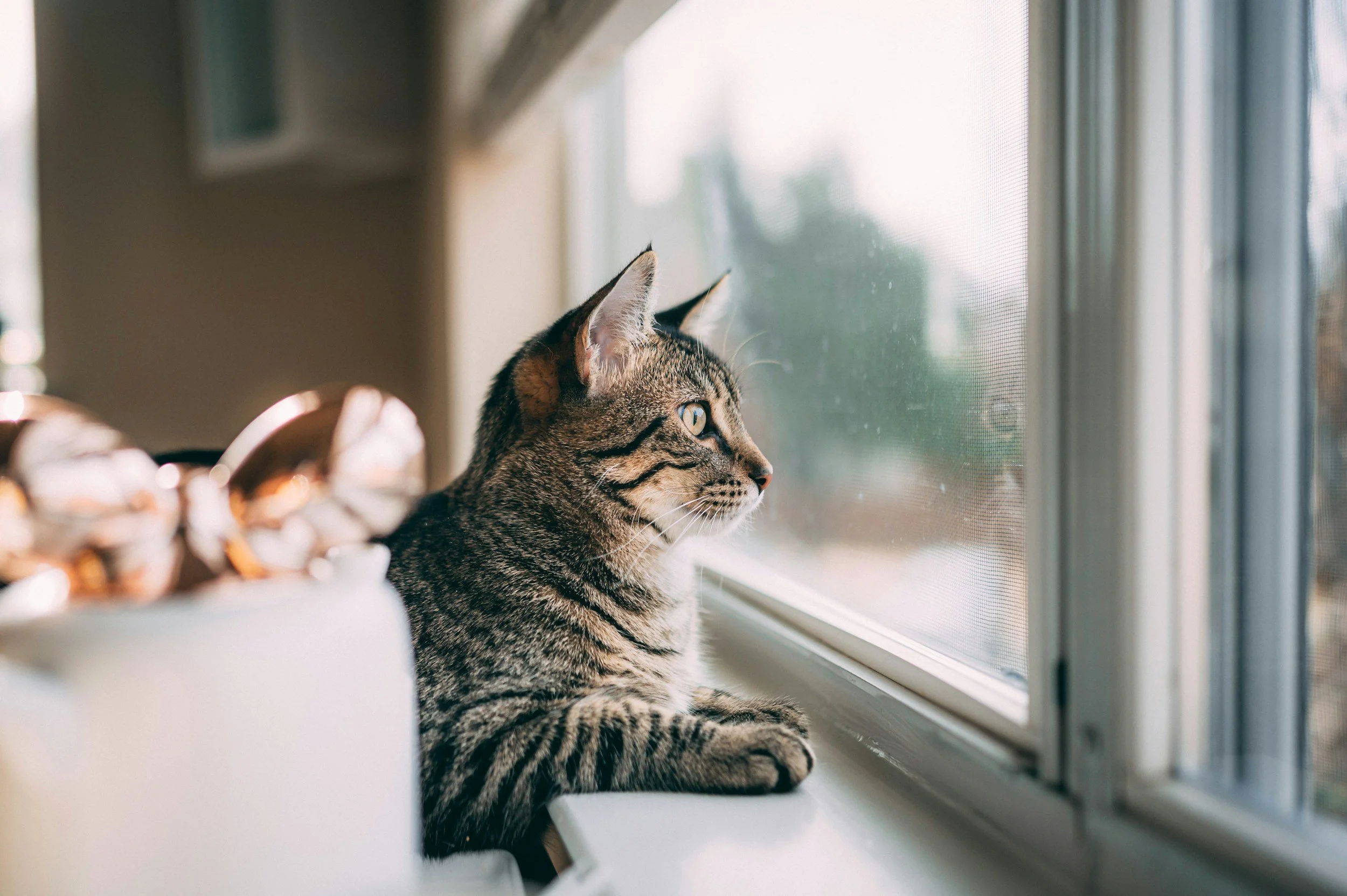
The problem was that every version we looked at would have left him paying more money to live somewhere he liked less, in potentially a location further from work, etc, in a basement with no big windows for his cats - versus his current apartment that even had a small balcony with plenty of those suction-cup window ledges for the cats to perch and birdwatch.
Even if he bought a property with a basement apartment and rented out the main floor, we realized that the basement apartments could likely have netted around $1200-1500 depending on the unit, even back then.
He would be moving out of a comfortable apartment, leaving a roommate he enjoyed living with, just so he could say that he owned the place he lived in. Even if his roommate came along, they’d still be taking on more monthly costs if you’re considering net rent loss instead of renting to another group.
The more we looked at it, the less sense it made. That was when we separated two questions that people usually treat as though they are the same.
Where should he live? And where should he invest his money?
There was no reason the answer had to be the same property (although generally it is).
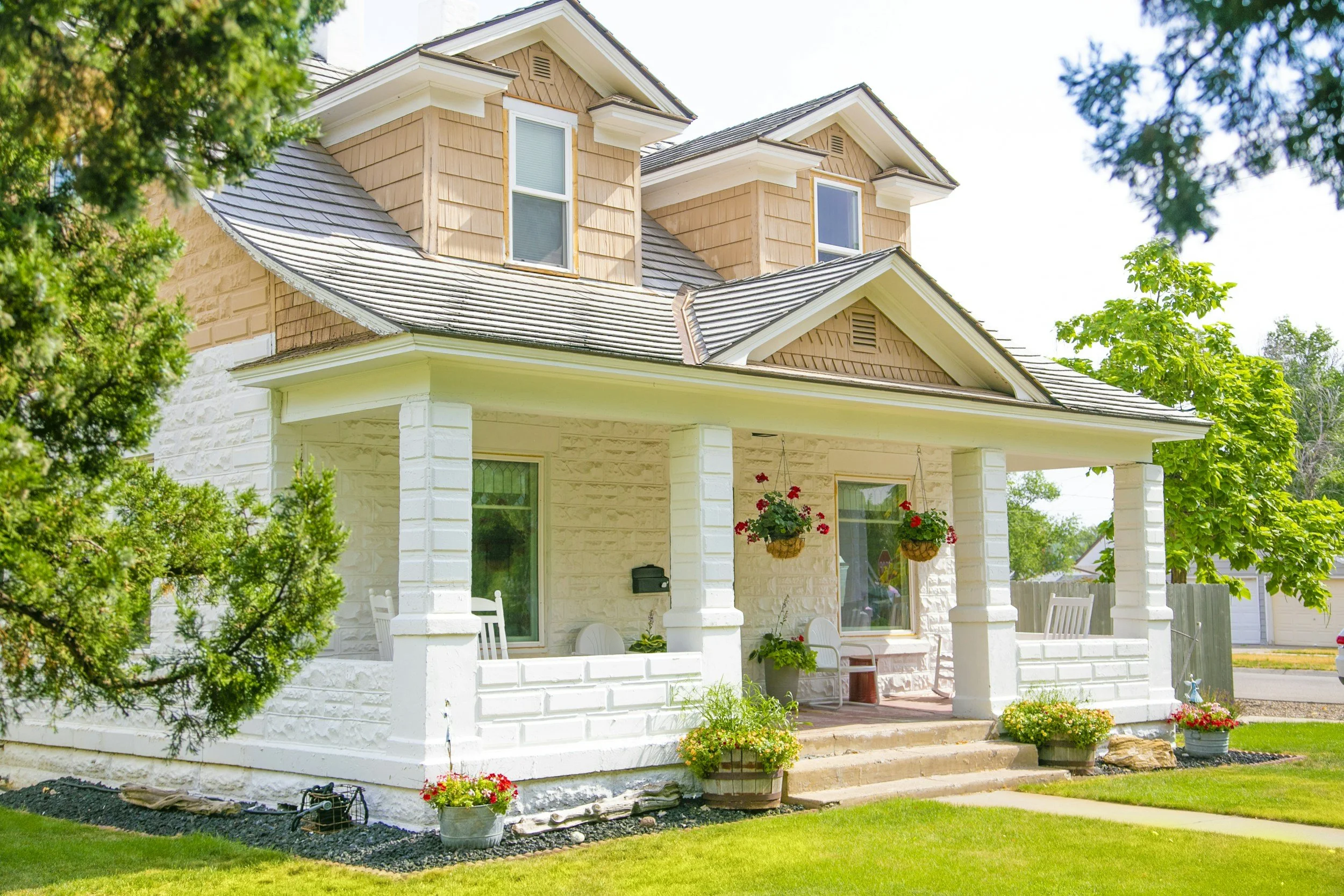
Instead of buying a home and moving into it, he purchased a two-unit rental property and rented out both units. The property could generate income, help pay for itself and allow him to build equity over time.
Meanwhile, he could remain in the inexpensive apartment he already liked, with all the sunlight his cats needed.
He kept a healthy amount of money available as a safety net in case the property needed repairs, like if a unit sat vacant or something else went wrong, or he needed to fix/renovate units to modernize it. He made sure he had appropriate insurance and approached the purchase as a long-term investment, not a shortcut to getting rich.
Then he carried on with his life.
Nearly 10 years later, he still lives in the same apartment.
He still enjoys the same low-key lifestyle. He never felt the need to move just because he became a property owner.
Over the years, the rental income has helped him maintain a larger reserve fund, make improvements to the units for his tenants and put additional money into his RRSP for retirement. He even hired property management so he could be fully hands-off and not even think about it. Well, at least the way you’d “not think about” your investment portfolio other than your annual review, I suppose.
He also has no interest in becoming a full-time real estate investor, just this one property.
He has told me that if owning the property ever becomes more trouble than it is worth, he will simply sell it, take the equity he has built and move that money into a more passive investment portfolio.
That is the part of the story I think often gets missed; everyone seems to make you think that if you have one rental, you gotta collect more and more. You do not have to be obsessed with real estate to own a rental property. You do not need to want 50 properties, build an empire or spend your weekends talking about doors, leverage and cash flow - or the less-sexy side of being a landlord, unclogging toilets, getting calls at 2am about weird leaks, or the dreaded texts about “there’s some weird bugs in here”.
Sometimes, you can buy one property because it makes sense as an investment, take good care of it and let it remain one piece of a much larger financial plan.
People often talk about renting as though it is automatically a waste of money. They assume that once you can afford to buy, continuing to rent must be the wrong decision.
But my friend’s rent in his cheap apartment was buying him something valuable; it gave him stable, inexpensive housing in a place he enjoyed living. Giving that up would not have improved his life. It would have increased his expenses and moved him into a home he liked less, even if he owned it. His current landlords loved him and were happy with the rent they received, with a responsible, quiet tenant who took good care of his unit.
By continuing to rent and buying a separate investment property, he was able to keep the lifestyle he wanted while still investing in real estate.
Of course, that does not mean everyone should go out and purchase a rental property.
Rental properties come with risks. Things break. Tenants move out. Expenses increase. Some years are better than others. You need enough savings to handle problems when they arise, and you need to be honest with yourself about whether you actually want the responsibility.
But the broader lesson is that renting and owning are not always opposites: You can rent the home you live in and own the property you invest in. Or, you can enjoy the flexibility and affordability of your rental while building wealth somewhere else. And at the end of the day, you do not need to buy a home for yourself simply because you finally have enough money for a down payment.
For my friend, the numbers pointed in a different direction, and his lifestyle said the same. Unconventional, but it made sense - both on paper and lifestyle.
Buying a home to live in would have meant spending more money for a lifestyle he did not want. Buying a rental property allowed him to invest while keeping a housing arrangement that already worked for him.

So, should you keep renting?
Maybe.
Where you live is partly a lifestyle decision. Where you invest is a financial decision. Oftentimes, those decisions lead to the same property. Sometimes they do not, like for my friend. For my friend, continuing to rent was not a sign that he was falling behind; It was the reason the rest of the plan worked.
Just some food for thought on a sunny Thursday.
Drop me a line or send me a message here if you have questions - you know I love chatting about mortgages and doing the math for you!
Jeff Dinsmore
Mortgage Broker
FSRA # 10315
TMG - The Mortgage Group
VeloMortgage.ca