
It feels like every time I watch the news, I hear a different take “peace talks are back on, we’re in the clear” (yes! great news!) “oops, nevermind, it’s back on” (awwww…). The war is back on again, almost like someone flipped a light switch.

On…off…on…off..
Unfortunately, that matters for anyone currently shopping for a fixed mortgage rate in Canada.
The renewed conflict in the Middle East has pushed oil prices sharply higher. Brent crude closed above $100 US per barrel on July 23 as attacks and shipping disruptions created concerns about the global oil supply.
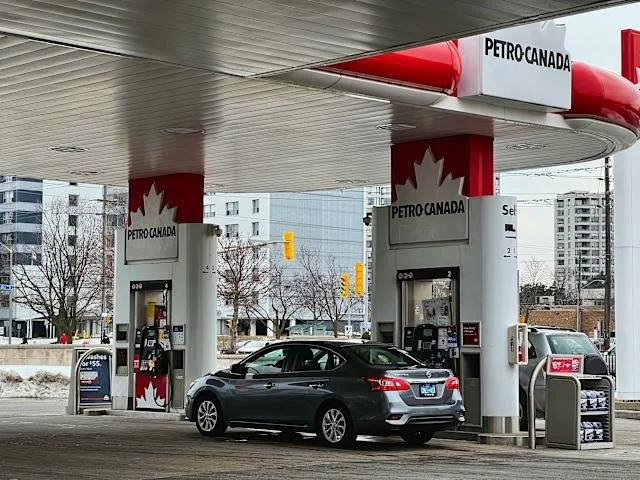
Higher oil prices usually lead to higher gasoline prices. Gas is also part of the cost of transporting food, building materials and almost everything else we buy.
That means the threat of inflation is back in the conversation.- and that means it affects everything, including your mortgage interest rate.
“But Didn’t Canada Just Get Good Inflation Numbers?”
Yes, and that is what makes this situation frustrating.
Canada’s annual inflation rate dropped from 3.2% in May to 2.8% in June.
The Bank of Canada also watches measures called CPI-trim and CPI-median. Those names sound complicated, but they are really just different ways of looking past unusually large price swings.
CPI-trim removes the items with the biggest price increases and decreases, almost like removing the highest and lowest scores from a competition. Think of it like judging a diving competition after removing the highest and lowest scores. It gives the Bank a better idea of what is happening with prices across the middle of the economy.
CPI-median looks at the price change sitting directly in the middle of everything being measured. Half of the items increased by more, and half increased by less. This helps show what a more typical price increase looks like for Canadian consumers.
You do not need to remember the names. The point is that both numbers try to show whether prices are rising throughout the economy or whether inflation is being distorted by a few volatile items, such as gasoline.
Those underlying inflation numbers have been moving in the right direction, which is great. The problem is that inflation reports tell us what already happened. Bond markets are trying to predict what happens next.
June’s inflation numbers reflected a period when gasoline prices were falling. Now oil has jumped again, and the market is worried that some of that progress could be reversed.
The Bank of Canada has already said that the war in the Middle East is one of the biggest risks to its inflation outlook. Its July forecast also assumed that oil prices would decline. That assumption suddenly looks much less certain.
“What Do Bond Yields Have to Do With My Mortgage?”
Fixed mortgage rates do not move directly with the Bank of Canada’s overnight rate.
The Bank of Canada held its policy rate at 2.25% on July 15, but lenders can still raise fixed mortgage rates without the Bank changing anything.
That is because fixed rates are influenced more heavily by the bond market.
A Government of Canada bond is essentially an IOU for the Bank of Canada’s debt. Investors lend money to the government and receive interest in return.
The bond yield is the return those investors expect to receive.
When investors become more worried about inflation, they usually demand a higher return. After all, earning 3% is not very attractive if the cost of living is also rising by 3%.
Those higher yields increase the cost of money throughout the financial system, including the cost for lenders to fund fixed mortgages.
The five-year Government of Canada bond yield is particularly important for five-year fixed mortgage rates.
On July 23, the five-year yield was approximately 3.28%. It had increased by about 0.29 percentage points over the previous month, including a significant jump as oil prices rose again.
The simple translation is:
Bond yields are moving higher, which means fixed mortgage rates may follow.
“Should I Lock In Now?”
If you are purchasing, refinancing or approaching your renewal and you can secure a fixed rate below 4%, I would lock it in now, provided the mortgage itself makes sense for you.
That does not mean choosing a bad mortgage simply because the rate starts with a three.
You still need to consider the term, penalties, restrictions, prepayment options and whether a fixed or variable mortgage fits your life plans. Getting a 5 year fixed rate at 3.99% when you want to sell and pay out your mortgage in 6-8 months is not the move, for example. Other options would likely suit you much better in the long term, savings-wise even if the rate on that term is higher.
But securing a rate hold can protect you if lenders start increasing their rates. Depending on the lender, you may still be able to move into a better option if rates improve before closing.
Think of it as an insurance policy for your rate - you know your “worst case scenario” if everything gets thrown into chaos by all the things you can’t control.
Maybe the conflict settles down. Oil prices could fall again, inflation concerns could fade and bond yields could reverse course.
But waiting now means taking the risk that the fixed rate available to you today will still be there later. The goal is not to panic because oil jumped for a few days. It is to avoid losing a good rate while waiting for a slightly better one that may never arrive.

The Bottom Line
Canada’s latest inflation numbers were encouraging.
Unfortunately, the renewed war and rising oil prices have changed what markets expect inflation to look like in the future. Bond yields have already reacted, creating upward pressure on Canadian fixed mortgage rates.
If you currently have access to a fixed rate below 4%, secure it while you decide whether it is the right mortgage for you.
You can always review your options again before closing.
You cannot always get yesterday’s rate back.
Reach out here if you’d like to discuss how locking in a mortgage rate looks for you, and let’s work to get something in place to keep you protected if you’re considering your renewal, refinancing or purchasing a new home.
Jeff Dinsmore
Mortgage Broker
FSRA #10315
TMG – The Mortgage Group
VeloMortgage.ca